A starter home is an affordable first home, typically smaller and priced lower than other homes in the area. While some people view the term negatively because of its association with cost, affordability is only one factor. Since few people live in their first home forever, any first home can be considered a starter home. Rather than focusing on the label, it's more helpful to explore the options that best fit your needs.
What is a starter home?
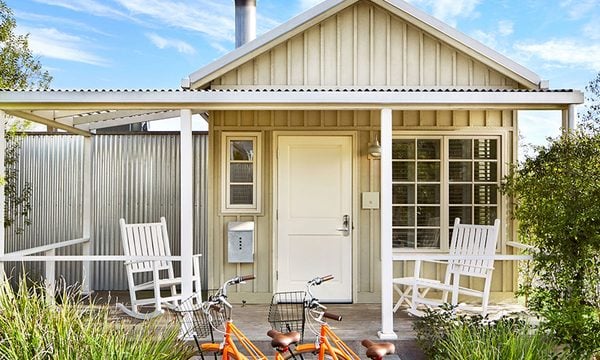
A starter home is a property that can serve the basic needs of many homeowners and is on the lower end of the price range in its market. You might picture a modest suburban house, but starter homes aren't always detached single-family homes. Condos and townhouses can also be starter homes. The term doesn't specify the home's condition, either: Starter homes can be older homes, fixer-uppers or brand-new houses.
Starter home vs. forever home
Part of what makes any given property a starter home is the idea that you won't live in it for long. That could be the only difference between a starter home and a “forever” home — if you never move, your starter home becomes your forever home. Here are the pros and cons of choosing a short-term home versus one that could meet your needs long term.
Starter homes
Pros
A lower down payment means less time spent saving.
Start building home equity sooner.
Use your equity to help buy your next home.
Keep the starter home as a rental to build wealth and generate income.
Cons
You may outgrow the home or location.
Short-term ownership can limit renovation choices.
Buying and selling at the same time can be stressful.
Renting it out may not be worth the costs or responsibilities.
Forever homes
Pros
More space to grow with your household.
Freedom to personalize and renovate.
Fewer moves and greater long-term stability.
Time to develop stronger connections to your community.
Cons
Finding the right home can take time.
Higher upfront costs and a larger down payment.
Your needs may change over time, making it no longer your forever home.
Is a starter home right for you?
Here are some things to consider when weighing whether to buy a starter home or wait for a property that's just right.
Know what you can afford
Your homebuying budget could decide whether a potential forever home is on the table. It's generally recommended that you spend no more than 28% of your gross monthly income on home-related costs and no more than 36% on all debts. That total includes your future mortgage, credit cards, and other debts, such as car or student loans. In more expensive markets though, meeting that guideline can be challenging.
To estimate your homebuying budget, factor in your monthly income and expenses, credit score and the amount you can save for a down payment and closing costs. NerdWallet's home affordability calculator can help you get started.
Make plans to stay
Even if you fully intend to upgrade from your starter home, you'll probably want to stay put for at least a few years. The longer you own your home, the more likely you’ll build enough equity to offset the costs of buying and selling, including closing costs and real estate commissions.
Selling too soon could make you subject to a capital gains tax if the home appreciates in value. Usually you can exclude up to $250,000 ($500,000 if you're married and filing jointly) of capital gains on real estate. But typically the exclusion disappears if you owned the home for less than two years or didn't live there for at least two years in the five-year period before the sale.
» MORE: Are you ready to buy a home?
Consider resale potential
It's a good idea to think about long-term value anytime you buy a home, but it’s especially important if you're purchasing with a plan to resell. Work with your real estate agent to identify homes with good resale potential.
You may also want to think about the value you can add to a home. Buying a fixer-upper can be a great way to save money, but it’s important to understand the scope and cost of the necessary repairs before making an offer.
Put 'forever' in perspective
Finding a home that meets your long-term needs can take time, especially in a market with limited inventory. You may need to prioritize your must-haves and be willing to compromise on features that are simply nice to have.
In real estate, a forever home isn't always forever. Jobs change, families grow and shrink, tastes evolve. Think "long-term" instead of "forever," and you'll be that much closer to finding your way home.