“Wellness” is a broad concept: It encompasses physical, emotional, mental, spiritual and social well-being. A big portion of the typical household budget has a direct tie to wellness, since our spending is influenced by what we choose to eat, how we manage our health and how we spend our free time.
If you use the right credit cards for such spending, your finances might experience a little wellness, too, in the form of rewards on purchases or a break on interest with larger expenses.
Not surprisingly, though — given just how expansive of an idea wellness is — you’re not going to find a single card that offers, say, “5% cash back on wellness spending.” The best credit card for wellness depends on how wellness manifests itself in your daily life. Start by identifying that, and you can narrow down your choices.
Wellness categories for credit cards
Every rewards credit card doles out cash back or points in its own way. Some give you the same rewards rate on every purchase — say, 1.5% cash back or 2 points per dollar. Others give you elevated rewards in specific bonus categories.
Common credit card bonus categories that relate to wellness include:
Health. The exact parameters of this category, when offered, will vary by card, but it can include medical expenses, as well as fold in some of the other categories on this list.
Drugstores. Medicine, supplements, personal care items and more.
Fitness clubs and gyms. This typically includes memberships; depending on the card, it may also cover classes and purchases.
Sporting goods stores. Fitness equipment, shoes, clothing and the like.
Grocery stores. For those who cook their own healthful meals.
Restaurants. For those times you want someone else to cook those healthful meals.
Entertainment. Nourish your spirit as well with activities that bring you joy.
Streaming services. Online platforms can offer fitness instruction, wellness tutorials, inspirational content, meditations, music, calming soundtracks and other material. Different cards cover different services.
Travel. Consider the restorative value of getting away from it all.
If you can’t find a card with a compelling combination of wellness categories, consider a flat-rate card that gives you, say, 2% cash back on everything you buy.
Top credit cards for wellness:
After our top cards for wellness, we also have some pointers about whether and when to use a credit card for major medical expenses.
Citi Strata℠ Card
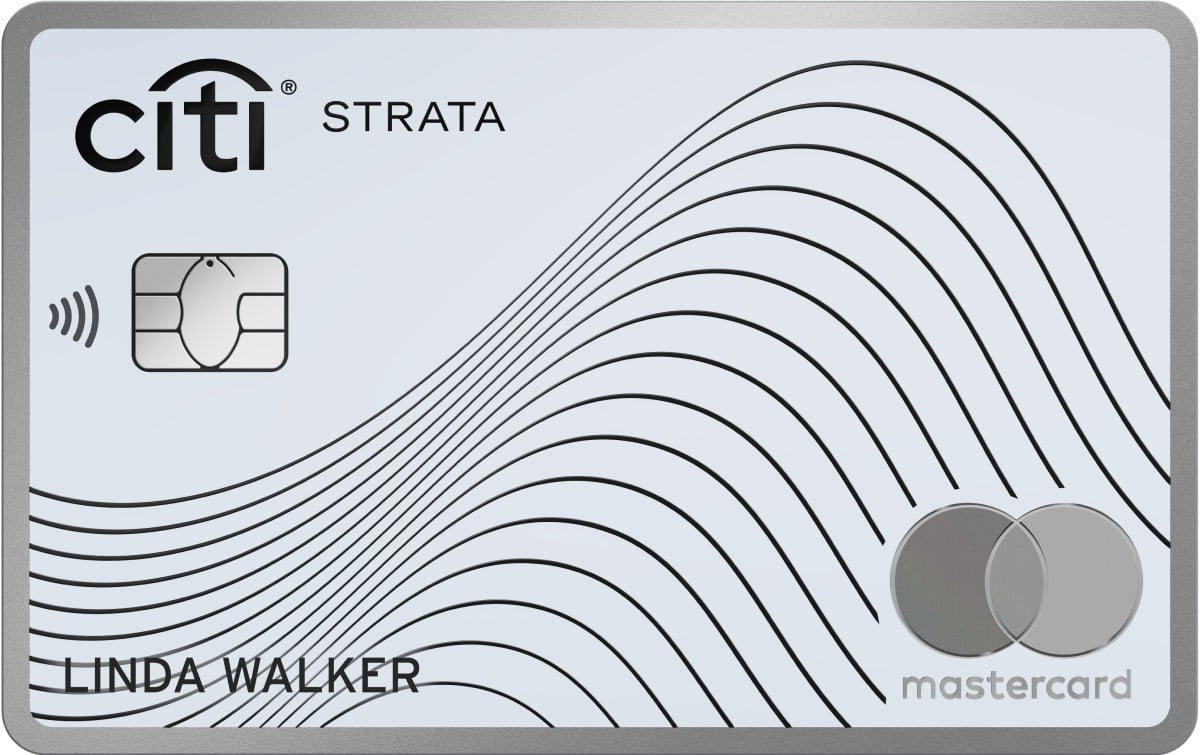
Best for: Self-care
Why it’s good for wellness: The Citi Strata℠ Card earns 3 points per $1 spent in an eligible "self-select" category of your choice, including fitness clubs, select streaming services, live entertainment, cosmetic stores/barbershops/hair salons and pet supply stores. You can choose that category every quarter by logging into your account. The wellness category extends beyond the obvious options of working out and grooming, and can also include care for fur babies or other pets.
Other benefits: It also earns 5 ThankYou points per $1 spent on hotels, car rentals and attractions booked on cititravel.com; 3 points per $1 spent at supermarkets, on select transit purchases and at gas and EV charging stations; 2 points per $1 spent at restaurants; and 1 point per $1 on all other purchases. New cardholders can also earn introductory incentives like a welcome offer and promotional APR.
Drawbacks to consider: The rewards you earn with the Citi Strata℠ Card are best used for travel. Redeeming for cash back will slice your point values in half.
Read our review of the Citi Strata℠ Card
U.S. Bank Cash+® Visa Signature® Card
Best for: 5% cash back in lifestyle categories
Why it’s good for wellness: The U.S. Bank Cash+® Visa Signature® Card earns 5% cash back on the first $2,000 in spending per quarter in two categories you choose from a list of 12. The 5% categories include a host of lifestyle options — among them gyms and fitness centers; sporting goods stores; internet, TV and streaming; department stores; electronics stores; movie theaters; and select clothing stores.
Admittedly, you’d be hard-pressed to max out your rewards in some of these categories. (Who’s going to spend that much on gym memberships in a single quarter?) But one thing you can do is consolidate spending. If possible, consider paying a year’s gym membership in advance. Make gyms a 5% category one quarter, pay for a year, then switch categories for the next quarter. Do the same with streaming subscription plans. Eyeing a piece of exercise equipment? Choose sporting goods stores for one quarter.
5% categories
As of December 2022, the U.S. Bank Cash+® Visa Signature® Card offered 12 categories as 5% options:
Cell phone providers.
Department stores.
Electronics stores.
Fast food.
Furniture stores.
Ground transportation.
Gyms/fitness centers.
Home utilities.
Movie theaters.
Select clothing stores.
Sporting goods stores.
TV, internet and streaming services.
This page at U.S. Bank provides examples of eligible merchants in each category.
Other benefits: You also earn 2% cash back in one “everyday” category you choose; options include grocery stores, restaurants, and gas stations and electric vehicle charging stations. All other purchases earn 1% cash back. There’s also a bonus offer for new cardholders.
Drawbacks to consider: You have to select and activate your 5% and 2% categories every quarter, meaning this card requires some maintenance. Solution: Set calendar reminders.
Read our review of the U.S. Bank Cash+® Visa Signature® Card
Wells Fargo Active Cash® Card
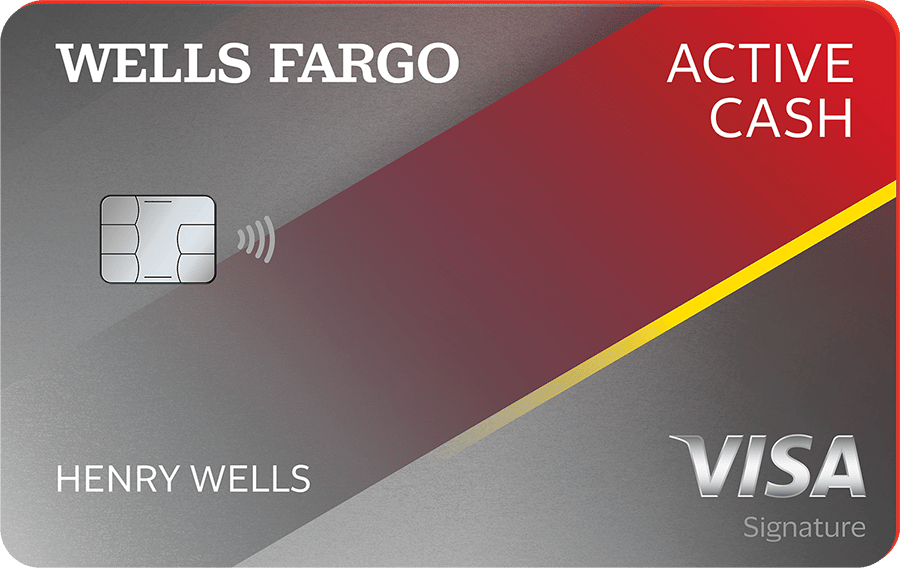
Best for: Simplicity — a great rate on everything
Why it’s good for wellness: Stressed out about which card to use where? This card makes it easy: You earn 2% cash back on every purchase, regardless of where you make it or what you buy. A flat-rate card like Wells Fargo Active Cash® Card is especially good for those whose spending is all over the map rather than concentrated in a select few categories.
Other benefits: This card comes with a good bonus offer for new cardholders. It also includes cell phone protection if you pay your monthly wireless bill with the card.
Drawbacks to consider: The upside of a flat-rate card is that you earn the same rate on everything. The downside? You earn the same rate on everything. If you’re regularly spending a lot in specific categories, it may be worth your while to add a card with higher rewards in those areas. (Some folks even make a hobby out of optimizing their credit card rewards, and hobbies can be an element of wellness.)
Read our review of the Wells Fargo Active Cash® Card
» MORE: Best cash-back credit cards
Blue Cash Preferred® Card from American Express
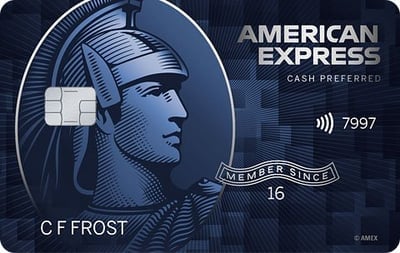
Best for: Home cooks
Why it’s good for wellness: If you spend a lot of money on groceries to make healthful meals at home, the Blue Cash Preferred® Card from American Express should fit neatly into your wallet. It earns an industry-leading 6% cash back at U.S. supermarkets, on up to $6,000 a year in spending (1% afterward).* It also earns 6% cash back on select U.S. streaming subscriptions, so it can reward you for watching cooking tutorials (and everything else) ad-free on YouTube Premium. Terms apply.
Other benefits: You earn 3% cash back at U.S. gas stations and on transit, as well as 1% cash back on other purchases. There’s a good welcome offer for new cardholders, too.
Drawbacks to consider: This card comes at a cost: $0 intro annual fee for the first year, then $95. However, if you spend just $33 a week at U.S. supermarkets, the card pays for itself.
Read our review of the Blue Cash Preferred® Card from American Express
» MORE: Best credit cards for groceries
Capital One Savor Cash Rewards Credit Card
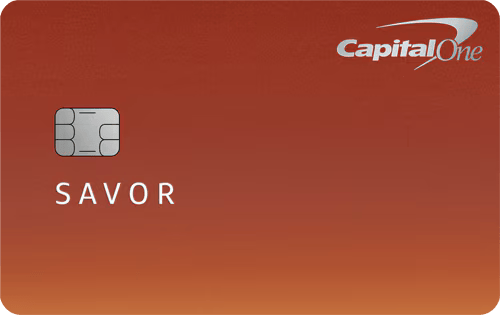
Best for: Food lovers — at home or on the town
Why it’s good for wellness: Some cards pay high rewards on groceries, and some pay high rewards at restaurants. The Capital One Savor Cash Rewards Credit Card is the rare card that covers both kinds of food spending. It earns 3% cash back on purchases at restaurants and grocery stores (excluding superstores like Walmart and Target), as well as on entertainment spending and eligible streaming services. It’s the ideal dinner-and-a-movie card.
Other benefits: It earns 5% cash back on hotels, car rentals and vacation rentals booked through Capital One Travel. All other spending earns 1% cash back. There’s a good bonus offer, and it has a $0 annual fee.
Drawbacks to consider: If your food spending leans more heavily toward either grocery stores or restaurants, rather than splitting between them, you may be better off with a card that offers higher rewards on one or the other.
Read our review of the Capital One Savor Cash Rewards Credit Card
American Express Platinum Card®
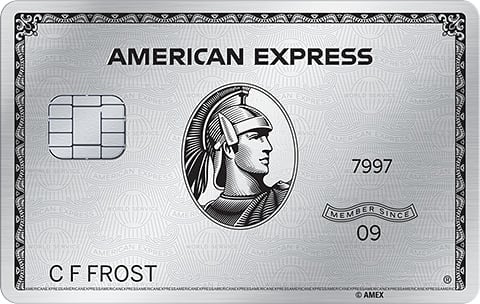
Best for: Premium perks
Why it’s good for wellness: The American Express Platinum Card® is ideal for frequent travelers, but it also boasts a long list of credits that include $300 a year for Equinox gym memberships, $300 a year for Lululemon (issued as $75 per quarter), and $200 toward an Oura Ring that tracks your health. Terms apply. Outside of these wellness categories, the card also offers credits toward eligible travel, dining, Uber, digital entertainment and Walmart+ purchases. Terms apply.
Other benefits: Cardholders also earn 5 Membership Rewards points per $1 spent on flights booked directly with airlines or through American Express, on up to $500,000 spent per year; 5 points per $1 on prepaid hotels booked through American Express; and 1 point per $1 on all other purchases. Terms apply.
Drawbacks to consider: The card has a steep annual fee of $895 (terms apply; see rates and fees). Plus, some of its credits aren't easy to earn, track or redeem. For instance, some credits are issued in small monthly increments, rather than all upfront.
Read our review of the American Express Platinum Card®
AARP® Essential Rewards Mastercard® from Barclays
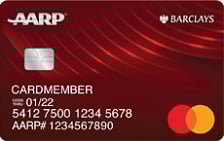
Best for: Varied medical expenses
Why it’s good for wellness: This is one of the rare credit cards that has medical expenses as a bonus category. You earn unlimited 2% cash back with doctors, dentists, hospitals, ambulance services and other providers, as well as with merchants that sell eyeglasses, hearing aids, prosthetics and more. The card also earns 3% cash back at drugstores and gas stations.
Note: you don't have to be an AARP member to qualify for the card. However, if you are a fan of the organization — which advocates for the interests of people age 50 and older — getting the card can give AARP's work a boost. Barclays donates $10 for each new account to the AARP foundation "in support of efforts to increase social connection." There's another wellness angle right there.
Medical expenses that qualify for 2% cash back
On the website for this card, Barclays, the card's issuer, defines eligible medical purchases as those made under the following merchant category codes:
Dentists.
Orthodontists.
Osteopathic physicians.
Chiropractors.
Optometrists.
Ophthalmologists.
Opticians.
Optical goods & eyeglasses.
Chiropodists.
Podiatrists.
Hospitals.
Medical and dental laboratories.
Hearing aids.
Ambulance services.
Orthopedic goods.
Prosthetic devices.
Nursing and personal care facilities.
Medical services and health practitioners not elsewhere classified (NEC).
Doctors not elsewhere classified (NEC).
Other benefits: All other purchases earn 1% cash back. There’s a modest bonus offer for new cardholders. You don’t need to be an AARP member to qualify for the card.
Drawbacks to consider: The 2% rewards rate on medical spending is nice, but it’s the same rate that several credit cards offer on all purchases. Those cards would earn the same rewards on medical spending as the AARP® Essential Rewards Mastercard® from Barclays, plus give you 2% on everything else.
Read our review of the AARP® Essential Rewards Mastercard® from Barclays
CareCredit Rewards Mastercard®
Best for: Financing big medical expenses
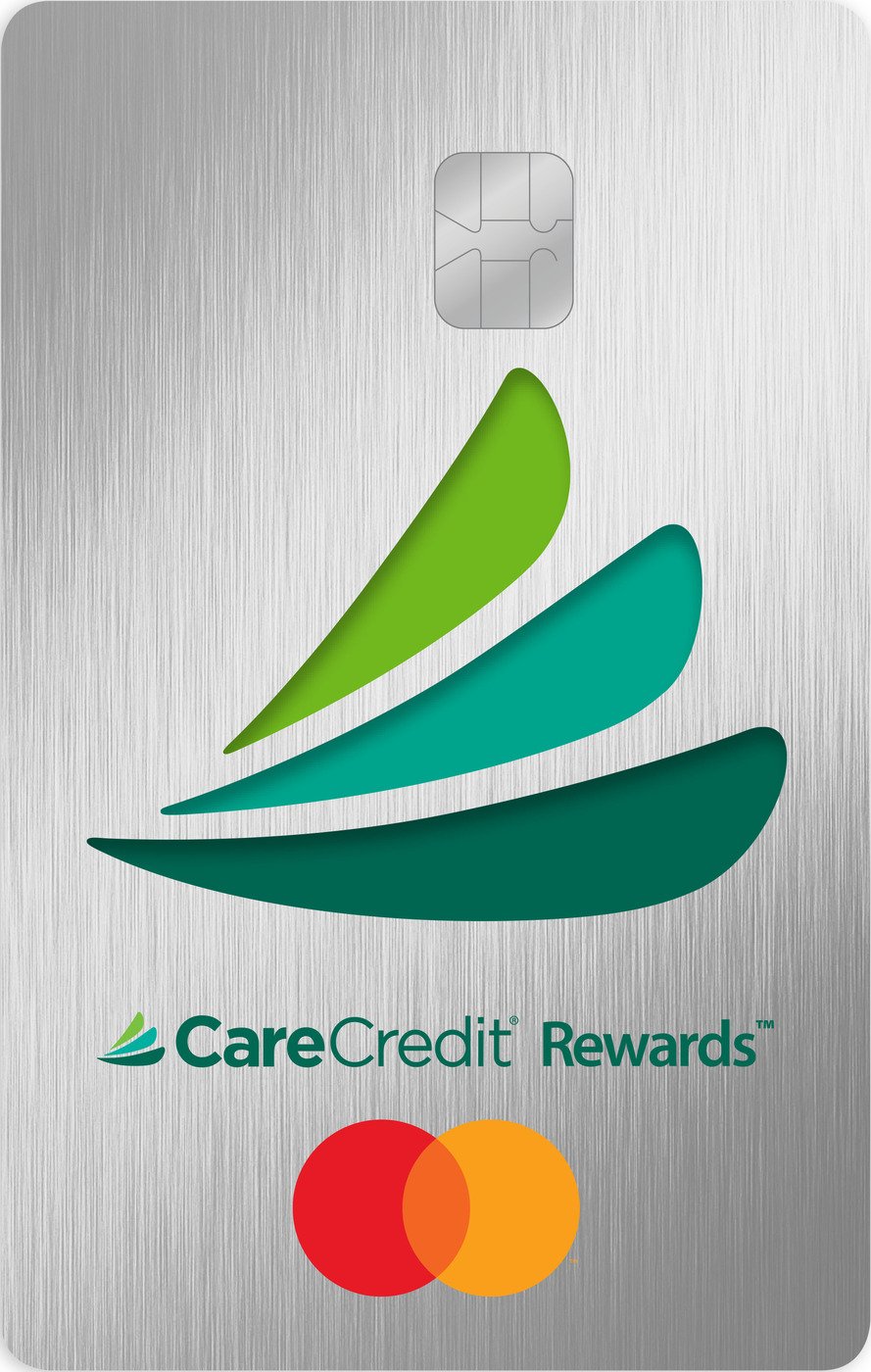
Why it’s good for wellness: This card’s primary function is to make paying for healthcare more manageable. It does this in one of two ways: Deferred interest, and low-interest repayment plans. Moreover, the list of expenses that can be financed with the CareCredit Rewards Mastercard® is long and diverse, including hospital visits, medical equipment, funerals and even veterinary care.
The CareCredit Rewards Mastercard® also earns 4 points for every $1 spent on health and wellness purchases, which includes healthcare expenses, drugstores, pharmacies, gym memberships, sporting goods stores and more.
Other benefits: The card earns 3 points per $1 on groceries and restaurants.
Drawbacks to consider: The CareCredit Rewards Mastercard®’s deferred interest offer may not save you money. If you choose deferred interest but don’t pay the entire balance before the end of the 0% period, you’ll owe all of the interest that’s been accruing since the original purchase date. The ongoing APR is 32.99% APR, which is quite high and could result in significant interest charges depending on the amount of the medical expense.
Read our review of the CareCredit Rewards Mastercard®
Should you use a credit card to pay big medical bills?
The high interest rates typically charged by credit cards mean they might not be the best way to pay for major medical expenses. A rule of thumb: If you’re going to need more than a year to pay off a medical bill, your best move may be to work with the health provider’s billing department on a payment plan that avoids the crushing interest that credit cards can charge. On the other hand, for health care costs you can afford to pay upfront or that you will need a year or less to pay off, a credit card might be ideal.
For costs you can pay upfront: A rewards card
If you can afford to pay a medical bill out of pocket, why not put it on a rewards credit card and earn a little something back? You could use one of the cards above that offer bonus cash back on medical spending. Or, if those cards don't seem like a good fit for your overall spending patterns, use a flat-rate card that pays good rewards on everything.
Good flat-rate options include:
Wells Fargo Active Cash® Card. It pays 2% cash back on all purchases.
Citi Double Cash® Card. It pays 1% when you make a purchase and another 1% when you pay it off, for a combined rate of 2%.
Note that putting spending on a card in order to earn rewards makes sense only if you pay your balance in full every month. If you carry debt from month to month, you’ll be charged interest, and that can easily eat up the value of any rewards you earn.
For costs you could pay off within a year: A 0% card
If you have good credit, you may be able to qualify for a card with an introductory 0% APR period on purchases for a year or more. The best offer being close to two years at 0%. If you don’t need that long, multiple rewards cards have 0% periods of 12 to 15 months, meaning you could earn rewards (or even a sign-up bonus) with your spending and have ample breathing room to pay it off.
Good cards with a long 0% period:
U.S. Bank Shield™ Visa® Card. 0% intro APR for 21 billing cycles on purchases and balance transfers, and then the ongoing APR of 17.24%-28.24% Variable APR.
Wells Fargo Reflect® Card. 0% intro APR for 21 months from account opening on purchases and qualifying balance transfers, and then the ongoing APR of 17.74%, 24.24%, or 28.49% Variable APR.
Rewards cards with a good 0% intro APR period:
Wells Fargo Active Cash® Card. 0% intro APR for 12 months from account opening on purchases and qualifying balance transfers, and then the ongoing APR of 18.74%, 24.74%, or 28.74% Variable APR. This card would earn 2% cash back on medical expenses, plus it has a bonus offer.
Chase Freedom Unlimited®. 0% intro APR on purchases and Balance Transfers for 15 months, and then the ongoing APR of 18.49%-27.99% Variable APR. This card would earn 1.5% cash back on medical expenses. It has a bonus offer, too.
» MORE: Best 0% APR credit cards
To view rates and fees of the American Express Platinum Card®, see this page.