




A good rule of thumb recommended by personal finance experts is to have an emergency fund — enough money socked away in savings to cover three to six months' worth of living costs. An emergency fund can help you ride out a disruption to your income without going deep into debt by putting living expenses on credit cards or taking out loans.
It's important to acknowledge that, for some, it can be hard to save that much. If every penny of income goes toward basic living expenses, it can be difficult to build an emergency fund. If disaster strikes — such as a layoff, a big medical bill or an urgent car or home repair — they may have to lean on their credit cards to get through. You do what you have to do to survive.
But other people do have the ability to save money for an emergency but choose not to, reasoning that they can fall back on their credit cards. In doing so, they may put their financial future at risk. Here are some reasons why credit cards shouldn't be treated as an emergency fund if you can afford to save.
Risks of using credit cards as an emergency fund
It's borrowed money
Saving money for an emergency is an exercise in forethought: You have extra income today, so you set it aside for a time when you might not have any income at all. By contrast, when you use credit cards as your emergency fund, the money you spend becomes credit card debt that you'll eventually have to repay. Your "present self" is borrowing money from your "future self." But, critically, you don't know whether that future self will have the extra income to handle the debt. If they don't, you may be sending them (meaning: yourself) a crushing debt load.
Alternative: Start an emergency fund, even if you can only contribute $5 per week. By starting small, you won’t miss the money you’re putting away. Make a realistic savings plan and set incremental goals toward stashing away six months’ worth of expenses. Even if that goal is distant, a small emergency fund of $500 can prevent you from falling into a debt cycle when you have an emergency like a car or home repair.

The interest rate is sky high
Using a credit card for emergency spending not only produces debt, but you'll pay for the privilege of having that debt. Most credit cards charge double-digit interest rates, making it even harder to pay down the balance.
Alternative: If you must rely on a credit card to supplement an emergency fund, it’s better to apply for a new credit card that has a 0% introductory APR on purchases. These cards typically require a good credit score (a FICO score of 690 or higher), but if you can qualify, it will save you money on interest for the duration of the offer.
Credit might not be accepted
In a world where using a credit card for a 50-cent pack of gum is common, it's easy to think cards are universally accepted. But plastic sometimes isn't welcome, and this could come at a very inconvenient (or scary) moment. For example, if you need an emergency repair on your home, the contractor might not take credit cards due to additional fees and risks that come with accepting them as a payment method.
Alternative: When an emergency fund isn’t enough, you might already have a credit card that can spot you the cash or offer an alternative way to pay. Some credit cards offer cheaper ways to access your credit line. Chase, for example, offers My Chase Loan to select cardholders, which allows you to borrow money from your credit line and get it deposited into your bank account. It’s similar to a personal loan from a bank.
You could cut yourself off from credit in the future
If you max out a credit card (or two) to cope with a catastrophe, you can expect your credit scores to drop substantially. That's because you've significantly increased your credit utilization ratio, which is the amount you owe as a percentage of your credit limit. As a result, the 30% of your FICO score determined by amounts owed will take a big hit. This is fixable, but it could make getting credit difficult or very expensive in the future.
Alternative: When you’re out of credit options and money, the next best course of action is to seek advice from a credit counselor who may provide direction for your finances and potentially point you to resources for your situation.
The issuer could cancel your card or cut your credit limit
If you're keeping an extra credit card on hand for emergencies but don't use it otherwise, you might be in for a nasty surprise at the worst time. Issuers commonly close credit card accounts that have been inactive for a certain length of time. Issuers may also trim credit limits or close accounts in an uncertain economy. Further, when an account is being closed due to user inactivity, the issuer doesn't have to give you any advance notice. This means you could be stuck without a credit line when you need it most.
Alternative: When you lose access to credit and you need money for an emergency, look beyond your credit cards. You may be able to free up some money by lowering the cost of your bills. Community loans or selling goods may offer fast cash, and a side job can provide extra income.


Ideal credit cards for emergencies
A credit card makes for a weak safety net for emergencies, but it can be worth using one if you want to supplement your plan B with a plan C to keep your bases covered. Useful credit cards for emergencies allow you to quickly access your credit line or borrow against it. Here are some credit cards that may be worth tapping for an emergency.
Upgrade Cash Rewards Visa® for flexibility
It’s worth keeping a card like the Upgrade Cash Rewards Visa® open and active for uncertain times. It combines elements of a credit card and a personal loan, as you'll pay back remaining balances in monthly installments over a set period with a fixed interest rate. With excellent credit, you may also qualify for a low ongoing interest rate: The ongoing APR is 14.99%-29.99%. But it's also possible to qualify with fair credit (FICO scores of at least 630). The Upgrade Cash Rewards Visa® also earns 1.5% cash back on all purchases. It has a $0 annual fee.
See more from Upgrade
Upgrade Select Visa®:
Credit Lines opened through Upgrade feature Annual Percentage Rates (APRs) of 21.96% - 29.99% based on creditworthiness. Balance transfers are subject to a fee of up to 5% per transfer. Foreign transactions are subject to a fee of up to 3% per transaction. If incurred, these fees will increase your finance charge and APR. A late fee of up to $29 per late payment may apply. Annual Fee of $39 per year. The lowest rates require Autopay. For example, a $1,000 card purchase with a 36 month term and a 22.00% APR has a required monthly payment of $38.68. The APR on your transaction may be higher or lower. Your rate, line amount, and default term depend on maintaining a qualifying credit score, your credit usage history, requested amount, and other factors. The Upgrade Card is unique in that it allows you to obtain a series of closed-end loans which you may access through transactions such as card purchases up to your approved line amount. As you repay your balance, additional credit may become available to you up to the approved line amount subject to meeting our credit requirements, but your line will not replenish automatically
Upgrade Life Rewards Card:
*By paying off your statement balance in full by the EarlyPay payment date, which is two calendar days after your statement closing date, you will avoid daily interest on any new transactions until the following EarlyPay payment date. Refer to your Personal Credit Line Agreement for EarlyPay terms and information. If the balance is not paid in full by the EarlyPay payment date, daily interest will begin to accrue after the Early Pay payment date for past and new transactions. To maintain good standing on your account, you must make at least the required monthly payment by the monthly payment due date, which is 22 calendar days after the statement closing date. You may pay down your full balance at any time to stop further interest charges.
Upgrade Cash Rewards Visa®, Upgrade Triple Cash Rewards Visa®, Upgrade Life Rewards Card:
Credit Lines feature Annual Percentage Rates (APRs) of 14.99% - 29.99% based on creditworthiness. The lowest rates require Autopay and the majority of line amounts will be $15,000 or under. For example, a $1,000 card purchase with a 36 month term and a 19.99% APR has a monthly payment of $37.55. Optional cash transfers to your bank account and balance transfers are subject to a fee of up to 5% of each draw or transfer. Foreign transactions are subject to a fee of up to 3% per transaction. ATM withdrawal fees may apply. If incurred, these fees will increase your finance charge and APR. A late fee of up to $29 per late payment may apply. Your rate, line amount, and default term depend on maintaining a qualifying credit score, your credit usage history, requested amount, and other factors. The Upgrade Card is unique in that it allows you to obtain a series of closed-end loans which you may access through transactions such as card purchases up to your approved amount. As you repay your balance, additional credit may become available to you up to an approved amount subject to meeting our credit requirements, but your line will not replenish automatically.
All Upgrade cards:
To qualify for the welcome bonus, you must open and fund a new Rewards Checking Preferred account through Upgrade and make 3 qualifying debit card transactions from your Rewards Checking Preferred account within 60 days of the date the Rewards Checking Preferred account is opened. If you have previously opened a checking account through Upgrade or do not open a Rewards Checking Preferred account as part of this application process, you are not eligible for this welcome bonus offer. Your Upgrade Card and Rewards Checking Preferred account must be open and in good standing to receive a bonus. To qualify, debit card transactions must have settled and exclude ATM transactions. Please refer to the applicable Upgrade Visa® Debit Card Agreement and Disclosures for more information. Welcome bonus offers cannot be combined, substituted, or applied retroactively. The bonus will be applied to your Rewards Checking Preferred account as a one-time payout credit within 60 days after meeting the conditions. This one-time bonus is available through this Upgrade Card offer and may not be available for other Upgrade Card offers.
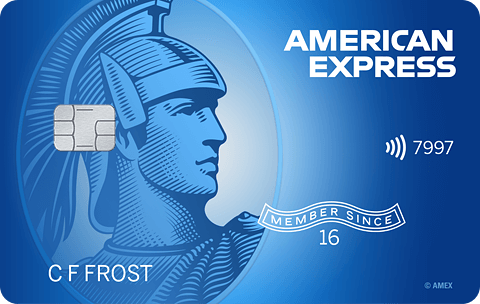
Blue Cash Everyday® Card from American Express for instant approval and a 0% Intro APR
When you’re in a bind, applying for a credit card isn’t ideal since you have to wait for it to arrive in the mail. The Blue Cash Everyday® Card from American Express can be used instantly after approval. After getting approved online, you get an instant card number that can be used wherever a nonphysical AmEx card is accepted. It has an introductory offer: 0% intro APR for 15 months on purchases and balance transfers, and then the ongoing APR of 19.74%-28.74% Variable APR. It has a $0 annual fee and it earns rewards on everyday purchases. Terms apply.
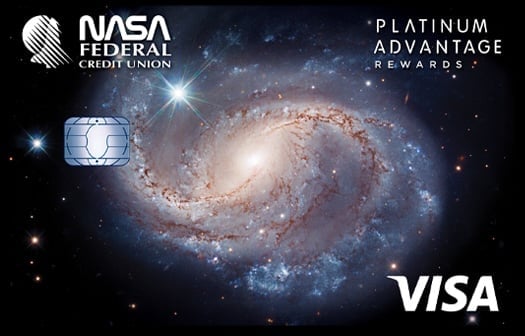
NASA Federal Platinum Advantage Rewards Credit Card for a low ongoing APR
Credit unions are likely to have lower ongoing interest rates on credit cards, but they do require membership eligibility to apply. If you can qualify with membership and good credit (a FICO score of 690 or higher), it’s worth having a low-interest credit card as a backup option for unforeseen circumstances. NASA Federal Credit Union has an easy path to join, allowing you to be a member of the National Space Society if you can’t meet other criteria. It offers the NASA Federal Platinum Advantage Rewards Credit Card, which has a low ongoing APR: 0% intro APR for 15 months on purchases and balance transfers, and then the ongoing APR of 19.74%-28.74% Variable APR. It has a $0 annual fee and also earns rewards.
These credit cards could potentially come through for you during an emergency, assuming no obstacles arise. Still, nothing beats having money in a reliable, federally insured emergency fund.
Building a solid emergency fund
The ideal emergency fund should cover six months' worth of expenses, but even $500 can go a long way to keeping debt at bay.
Here’s how you can get started:
Open a high-interest savings account. You want an account that is separate from your checking account so that you won’t be tempted to touch your savings for everyday expenses.
Review your budget for savings opportunities. A look at your budget can help you set goals within reach. Calculate how much to save to cover six months’ worth of expenses and try to build toward that long-term goal.
Decide on a monthly savings goal. Determine how much to contribute to your account each month. If the goal seems overwhelming, start small with strategies like the 52-week money-saving challenge. An accountability partner who also has savings goals may offer a way to check in frequently and stay on track.
Determine whether you'll automate contributions or do it manually. A manual approach may keep you more engaged with your finances. An automated approach makes it easier to be consistent with your savings. If you're forgetful or lack the discipline to save, choose the latter.
Do periodic check-ins and increase your contributions when possible. Reflect on the progress you’ve made and update the countdown of months or years to arrive at your goal.
Stash those windfalls. Use any windfalls received in the form of monetary gifts, tax refunds or other funds to pad your emergency fund and get closer to your goal. And, increase your monthly savings goal when possible after getting a raise or finding spare change in your budget.
An emergency fund is only solid when it’s kept intact, so replenish any withdrawals you make to avoid depleting it over time. With consistent monthly contributions, you can maintain an emergency fund for trying times.
To view rates and fees of the Blue Cash Everyday® Card from American Express, see this page.