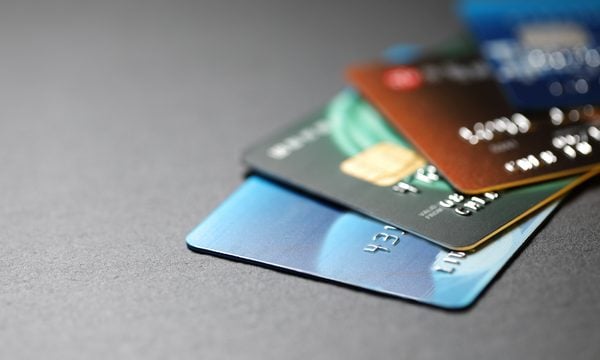
If you’re planning a trip abroad, you may think you have all the essentials covered. But if you haven't considered how much it will cost to use your credit card while traveling, you may end up spending more than you expect. Foreign transaction fees, also known as FX fees or international transaction fees, can add up.
Fortunately, though, they can be avoided with the right credit card. Here's what you need to know about foreign transaction fees and how to steer clear of them.
What is a foreign transaction fee?
A foreign transaction fee is one of the most common types of fees you could face if you use your credit card at a non-U.S. retailer. Foreign transaction fees are assessed by your credit card issuer and tend to be charged as a percentage of the purchase that you’re making, usually around 3%.
While 3% might not seem like much, the charges can add up. For example, if you jet off to Europe for a month and charge $5,000 on a card that carries a 3% foreign transaction fee, you’ll have to pay an extra $150 when the bill comes due.
What’s more, you could get hit with a foreign transaction fee even if you’re not physically using your card overseas. These fees apply whenever you make a purchase with your card from a non-U.S. retailer, so if you buy an item online from a company based in another country, you could be charged the fee.
» MORE: Traveling abroad? Take two cards
Is it the same as a currency conversion fee?
A foreign transaction fee shouldn't be confused with a currency conversion fee. Although both can occur on purchases made abroad — and even on the same purchase — they are significantly different. Currency conversion fees are "hidden" fees that are charged when you ask that your transactions be presented to you in dollars.
For instance, if you use your credit card to buy a sweatshirt in Ireland that costs 40 euros, the merchant's point-of-sale terminal could present you with the option of seeing and paying the transaction amount in dollars. Though it is helpful to know that the sweatshirt will really cost you nearly $50 due to the current foreign exchange rate, you can do the math yourself and ask that your transaction be paid in the local currency. This will help you avoid a currency conversion fee which tends to be about 1% of the purchase amount.
How to avoid foreign transaction fees
Plain and simple: If you buy something outside the U.S. and use the "wrong" credit card, you'll be hit with an extra fee. However, there are many options for the "right" credit cards to use when traveling or shopping overseas to avoid foreign transaction fees.
Many popular travel credit cards like the Chase Sapphire Preferred® Card, Bank of America® Travel Rewards credit card and the Capital One Venture Rewards Credit Card give cardholders the ability to use their cards abroad and pay no international transaction fees.
If you're loyal to a particular airline, you might want to check out its no-foreign-transaction-fee credit cards. For instance, the Delta SkyMiles® Blue American Express Card doesn't charge foreign transaction fees, plus it has a $0 annual fee. Terms apply.
Should I just use cash instead?
If you're thinking about trading plastic for paper to save the fees, that can be tricky, too. Most people who've traveled abroad know how costly it can be to exchange their cash for the local currency. Whether you go to an airport kiosk or an international ATM, you’ll usually have to pay up in order to get your cash.
Some banks and online institutions have low foreign transaction fees or none at all, or will even reimburse you for fees charged by other banks when you use foreign ATMs. Check with your local bank, as some have partnerships with banks in other countries so travelers can use their ATMs and not have to pay out-of-network fees.
Consider, too, that carrying a wad of cash around can be risky, especially because pickpocketing can be an unfortunate but common occurrence while traveling.
What's next?
Check out the four best banks for international travel.