



You’ve decided to buy a home. Hooray! Now you need a mortgage. Take a breath — it’s not every day you apply for a loan with that many zeros.
Preparation is key, because after your purchase offer is accepted, the clock is ticking. Closing a mortgage transaction takes about 43 days on average, according to Freddie Mac, though certain loan types may take a little longer.
By familiarizing yourself with the mortgage application process, you can be prepared to hit the ground running.
What to do before applying for a mortgage
Review your credit report. Checking your own credit is a "soft pull," meaning it does not affect your credit score. You can access free reports from the top three credit reporting bureaus — Experian, Equifax and TransUnion — at AnnualCreditReport.com. Check the report for errors and dispute anything that appears wrong, as this could be holding your score back and cost you thousands in interest down the line.
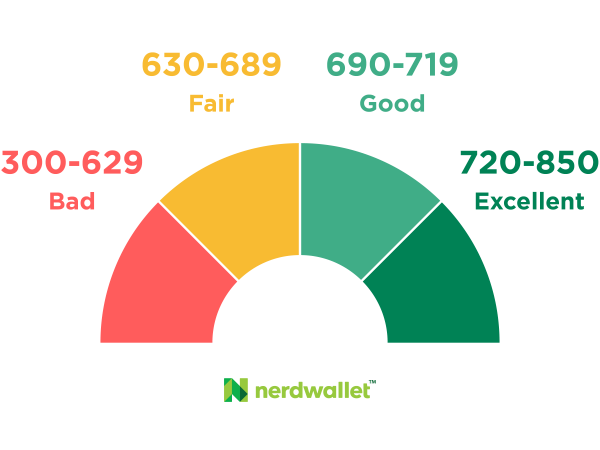
You’ll also want to know where your credit score will likely stand with lenders. The higher your score, the more likely it is that you’ll be approved for a mortgage — and receive more favorable rate offers.
Explore different types of mortgages. This decision will largely come down to the rate, terms and requirements that best fits your needs.
For example, if you need a mortgage with flexible credit score requirements and a low minimum down payment, you might consider a loan backed by the Federal Housing Administration (FHA). If you know that you’re only planning on being in the home for a few years, you may be interested in taking advantage of the lower introductory rate that comes with an adjustable-rate mortgage.
Research and compare lenders. Shopping around and applying with multiple lenders will allow you to compare offers and find the lowest rate. NerdWallet’s roundup of the best mortgage lenders can be a great place to start your search.
Assemble your loan paperwork. This includes:
Personal information, like your Social Security number and ID
Income verification, such as W-2s and pay stubs (or tax returns, if you’re self-employed)
Federal tax returns
Bank statements
Proof of other debts and assets
Get preapproved to borrow at a given loan amount. This is a sort of preliminary application that you’ll fill out before you start looking at homes. Lenders will review your personal information, such as your credit report, income documentation and assets, to evaluate how much you may be eligible to borrow.
The lender will provide you with a letter detailing these results. When you’re ready to make an offer on a home, this letter can boost the chances of your offering being accepted, since it shows the seller that you can secure financing.
Work with a real estate agent and find your home. Referrals and online searches can be great ways to find real estate agents in the area where you’re planning to move. You’ll want to interview a few until you find an agent that you feel comfortable with — especially if you’ll have unique needs.
For example, if you’re getting an FHA loan or a loan backed by the Department of Veterans Affairs (VA), the home has to meet certain requirements at the appraisal. An experienced agent can steer you toward homes that will meet these standards.
» MORE: How much house can you afford?
5 steps to applying for a mortgage
Now that you’ve researched lenders, applied for preapproval and found a home that you’d like to buy, it’s time to actually apply for the mortgage. All in all, the entire process from application to closing could take anywhere from two weeks to two months.
1. Fill out a mortgage application
Use the same documents from your preapproval to apply with one or more lenders. Applying with multiple lenders helps you compare rates and terms, and if you submit all applications within 45 days, it only counts as one credit check. Most lenders nowadays let you apply online or by phone. You may be able to apply in person at a branch location, depending on the lender.
By law, a lender has three business days after receiving your application to give you a Loan Estimate form, a detailed disclosure showing the offered loan amount, type, interest rate and all estimated costs of the mortgage, including hazard insurance, mortgage insurance, closing costs and property taxes.
2. Review your Loan Estimates
Compare terms and costs across your Loan Estimates. Check the interest rate expiration date (top right corner of the first page) and confirm if the rate is “locked” or if it’s subject to change. Ask the lender to explain anything you don’t understand.
The third page of the Loan Estimate includes a helpful “Comparisons” section, which has key information that you can use to compare offers, such as:
Total cost in five years: This is all charges — including interest, principal and mortgage insurance — that you'll incur within the mortgage's first five years.
Principal paid in five years: This is the amount of principal you’ll have paid off in the first five years.
APR: Also known as annual percentage rate. This figure accounts for your interest rate plus any fees or points. Usually, the APR is higher than your interest rate.
Percent paid in interest: This represents how much interest contributed to the final balance of the loan. It's not the same as the interest rate.
After comparing your loan estimates, choose the best fit and contact the lender to tell them you’re ready to move forward. They may ask for additional documentation. You’ll also want to purchase homeowners insurance, as you’ll need it before you can receive final approval.
3. Loan processing takes over
This stage involves a detailed review of your mortgage application, where the lender verifies your financial information and statements. Your lender will order an appraisal of the property to ensure that its value matches the purchase price. Prepare to answer questions and provide additional documents quickly to keep everything moving forward.
You’ll want to avoid any moves that could disrupt your credit. This includes opening any new lines of credit, making any major purchases (like a car), and paying all of your bills on time, as any changes could jeopardize your mortgage approval.
4. The underwriter makes a decision based on your documentation
Now that the lender has verified the information in your application, the underwriter will use it to judge the risk of lending money to you.
What’s your loan-to-value ratio (the mortgage amount relative to the value of the home)?
Do you have the cash flow to make the monthly payments?
What’s your history of making payments on time?
Is the home valued correctly, the condition good and title clear?
Do you have a spotty employment history?
If the underwriter does not have enough information to make a decision on the loan, you may have to provide further documentation.


5. Your loan is cleared to close
In this final step, the lender must act before you can move forward.
With time to spare (hopefully) before your closing date, you hear from the lender with happy news: “You're cleared to close!”
The lender must send you another federally required form, the Closing Disclosure, three business days before your scheduled closing date. It shows the detailed and final costs of your mortgage.
Compare the Closing Disclosure with your Loan Estimate to check for any changes, and ask your lender to explain anything you don’t understand. If you haven’t locked in your rate yet, you’ll want to do it now.
At this stage, you’ll also arrange how to pay your closing costs, either upfront with a wire transfer or cashier’s check or by rolling them into your loan. Closing costs are typically between 2% and 6% of your loan amount. You can estimate this amount using NerdWallet’s closing cost calculator.
NerdWallet writer Isabella Angelos contributed to this story.